

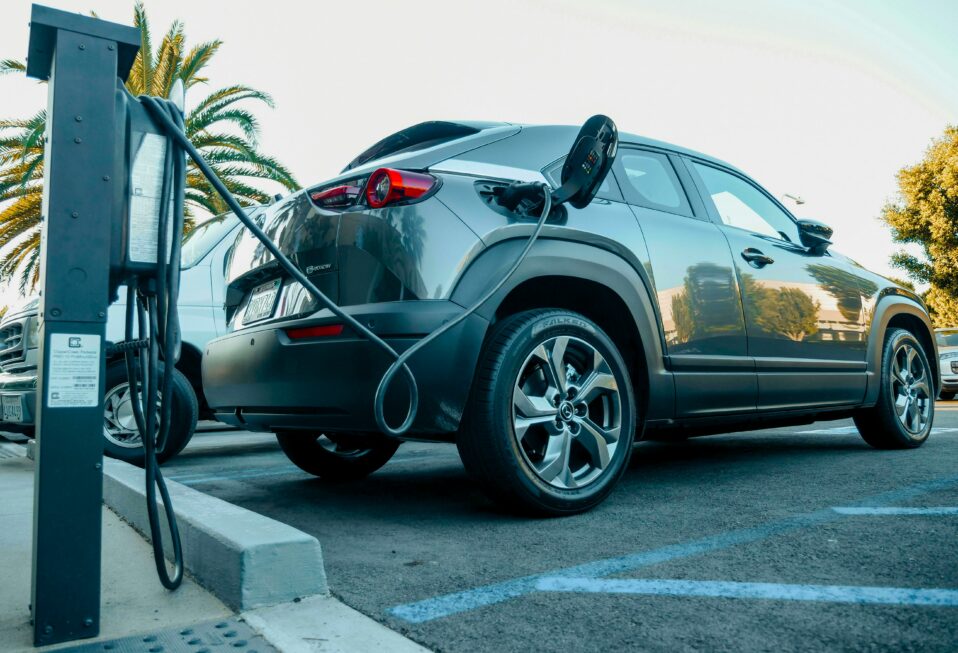
Electric vehicles (EVs) are no longer a niche choice for early adopters—they’re rapidly becoming a mainstream option for drivers across the UK. With rising fuel costs, stricter emissions regulations, and growing environmental awareness, more people are considering switching to electric. At the same time, car leasing has become an increasingly popular way to drive a new vehicle without the long-term commitment of ownership.
Put the two together, and it’s easy to see why leasing an electric car is gaining momentum. But is it the right move for you? This guide breaks down everything you need to know—from costs and benefits to practical considerations—so you can make an informed decision.
Why Lease An Electric Car?
Leasing an electric car offers a number of advantages, particularly in a market that’s evolving as quickly as EV technology.
1. Lower Upfront Costs
Buying an electric car outright can be expensive. Even with prices gradually falling, EVs often come with a higher initial cost than petrol or diesel equivalents. Leasing removes that barrier, typically requiring only a modest initial payment followed by fixed monthly instalments.
This makes electric driving far more accessible, especially if you want to avoid tying up a large amount of capital.
2. Access To The Latest Technology
Electric vehicle technology is improving rapidly—better battery range, faster charging, and smarter in-car systems are being introduced all the time. When you lease, you’re not stuck with older tech for years. At the end of your lease term, you can simply upgrade to a newer model with improved performance.
3. No Worries About Depreciation
Depreciation is one of the biggest hidden costs of owning a car, and EVs are no exception. In fact, because the technology is evolving so quickly, resale values can be harder to predict.
Leasing eliminates this concern entirely. You’re not responsible for the car’s future value—you simply hand it back at the end of the agreement.
Cost Comparison: Electric vs Petrol Or Diesel
One of the biggest questions drivers have is whether electric cars are actually cheaper to run.
Running Costs
Electric cars are typically much cheaper to run than petrol or diesel vehicles. Charging at home is significantly less expensive than filling up a tank, especially if you use an off-peak electricity tariff. Additionally, EVs have fewer moving parts, which means lower maintenance costs over time.
Tax Benefits
Electric vehicles come with several financial incentives in the UK. For example:
- Lower Benefit-in-Kind (BiK) tax rates for company car drivers
- Exemption from road tax (in many cases, though rules are evolving)
- No congestion charges in certain areas
These savings can make a substantial difference, particularly for business users.
Lease Costs
Monthly lease payments for EVs can sometimes be higher than equivalent petrol cars, largely due to their higher purchase price. However, when you factor in fuel savings, tax advantages, and reduced maintenance, the overall cost can often be competitive—or even cheaper.
Charging: What You Need To Know
One of the biggest concerns for potential EV drivers is charging. Fortunately, infrastructure and accessibility have improved dramatically in recent years.
Home Charging
For most people, home charging is the most convenient option. Installing a home charger allows you to plug in overnight and wake up to a full battery. It’s also the most cost-effective way to charge.
If you have off-street parking, this is usually a straightforward setup. Without it, you may need to rely more on public charging.
Public Charging
The UK now has a growing network of public charging points, including rapid chargers that can significantly reduce charging time. These are commonly found at service stations, supermarkets, and car parks.
However, public charging can be more expensive than charging at home, so it’s worth factoring this into your overall costs.
Range Considerations
Modern electric cars offer ranges that are more than sufficient for most daily driving needs. Many models comfortably exceed 200 miles on a single charge, with some going much further.
For longer journeys, a bit of planning is required, but improved infrastructure means “range anxiety” is becoming less of an issue.
The Government Incentives And Support
While some grants have been reduced over time, there are still incentives available to support EV adoption.
- Grants for home charging installations (subject to eligibility)
- Tax benefits for business users
- Reduced running costs compared to fossil fuel vehicles
It’s worth checking the latest government policies, as these can change and may impact the overall affordability of leasing an EV.
Is Leasing An Electric Car Right for You?
Leasing an EV isn’t a one-size-fits-all solution, but it can be an excellent choice for many drivers.
Ideal For:
- Drivers who want lower upfront costs
- People who like upgrading to newer cars every few years
- Business users looking for tax efficiency
- Environmentally conscious drivers
May Not Suit:
- Those who prefer long-term ownership
- Drivers with very high annual mileage (depending on lease terms)
- People without easy access to charging
Tips Before You Lease
If you’re considering leasing an electric car, here are a few practical tips:
- Check your mileage allowance: Make sure it reflects your actual driving habits to avoid excess charges
- Understand charging options: Plan how and where you’ll charge before committing
- Compare deals carefully: Look beyond monthly payments and consider total cost
- Review the terms: Pay attention to maintenance, insurance, and end-of-lease conditions
Charging Ahead
Leasing an electric car is a smart and flexible way to embrace the future of driving without the risks associated with ownership. It offers lower upfront costs, predictable monthly payments, and access to the latest technology—all while helping reduce your environmental impact.
As the UK continues its transition towards cleaner transport, electric vehicles are only going to become more prominent. Leasing provides a practical way to be part of that shift today, without locking yourself into long-term uncertainty.
If you’re curious about making the switch, now is a great time to explore your options and see how an electric lease could fit into your lifestyle.